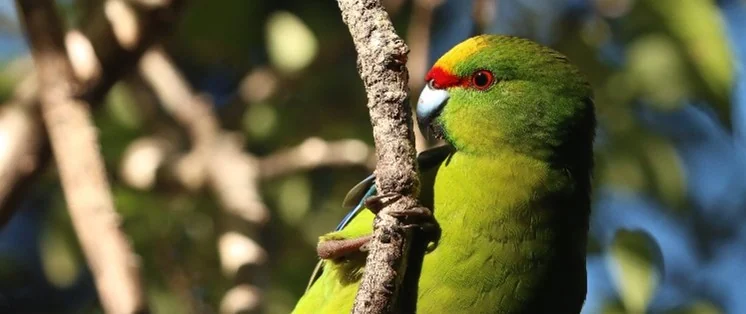
Native birds
Improving breeding success and protecting nesting habitats creates safer spaces for native species.
A thriving landscape from the mountains to the sea: protecting native wildlife, restoring forest ecosystems and working with communities across South Westland.
Launched in 2021, Predator Free South Westland set out to eliminate introduced possums, rats and stoats from more than 100,000 hectares of a spectacular New Zealand landscape. The project area extends between the Whataroa and Waiau (Waiho) rivers, the Southern Alps / Kā Tiritiri o te Moana and the Tasman Sea / Te Tai-o-Rēhua.
From remote mountain country to rural communities and wetlands, the goal is a landscape where native plants, birds and other wildlife can recover without the constant pressure of introduced mammalian predators.
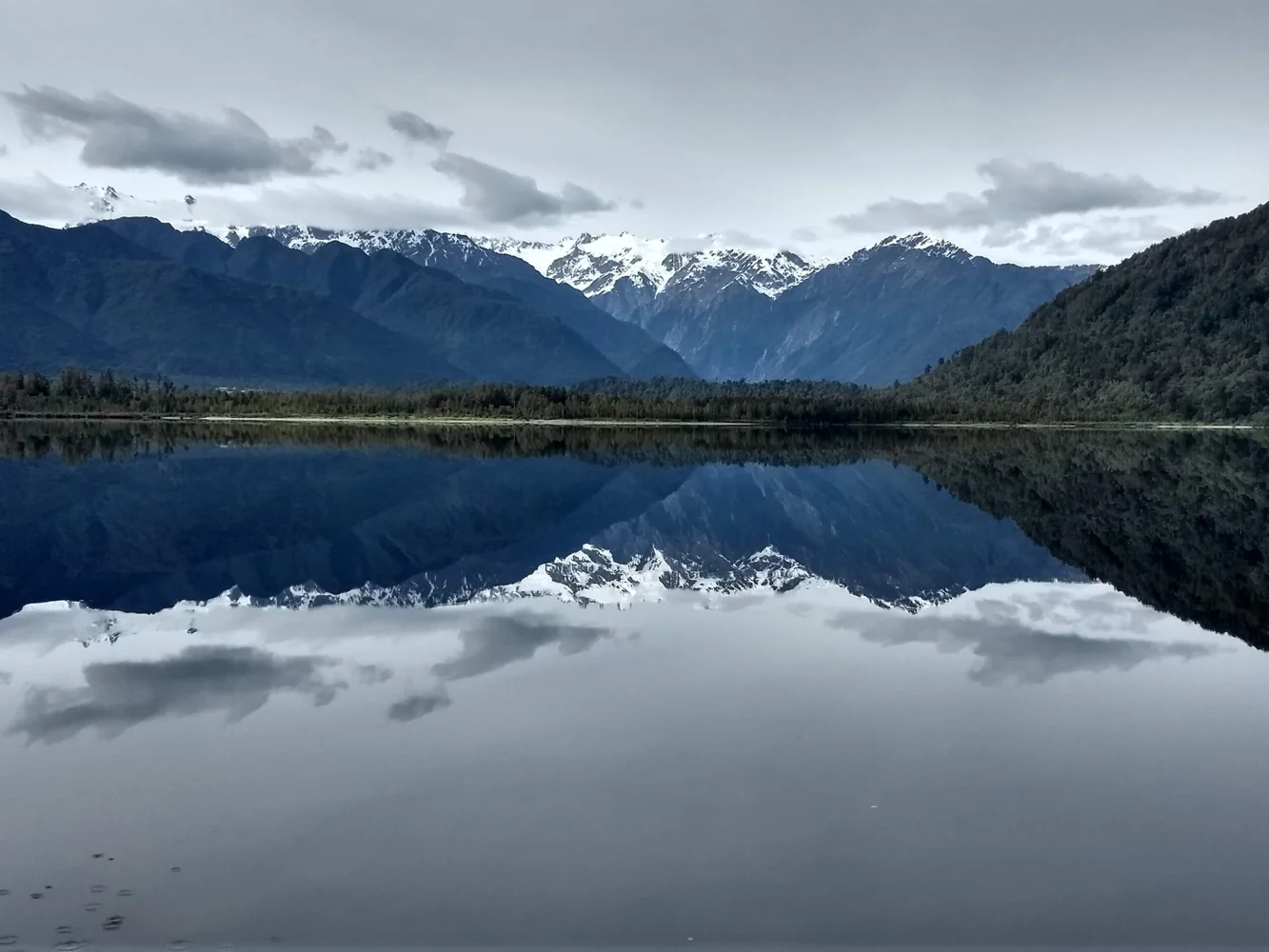
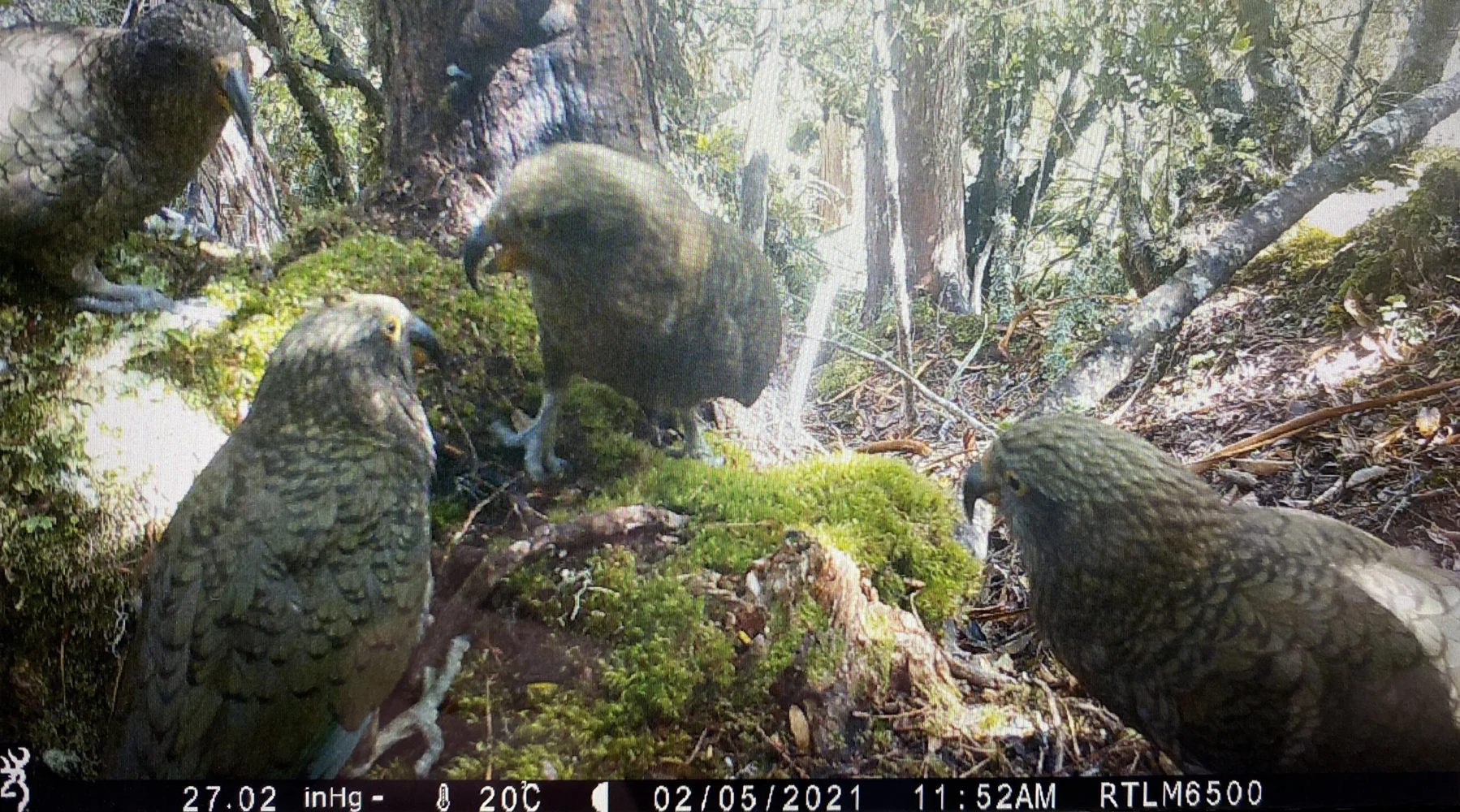
South Westland's ecological recovery is reflected in forests alive with birdsong, flowering native plants and greater opportunities to observe kea, kākāriki and mātā (fernbirds). The region also supports rare species whose survival depends on well-managed forest, wetland and alpine habitats.
Improving breeding success and protecting nesting habitats creates safer spaces for native species.
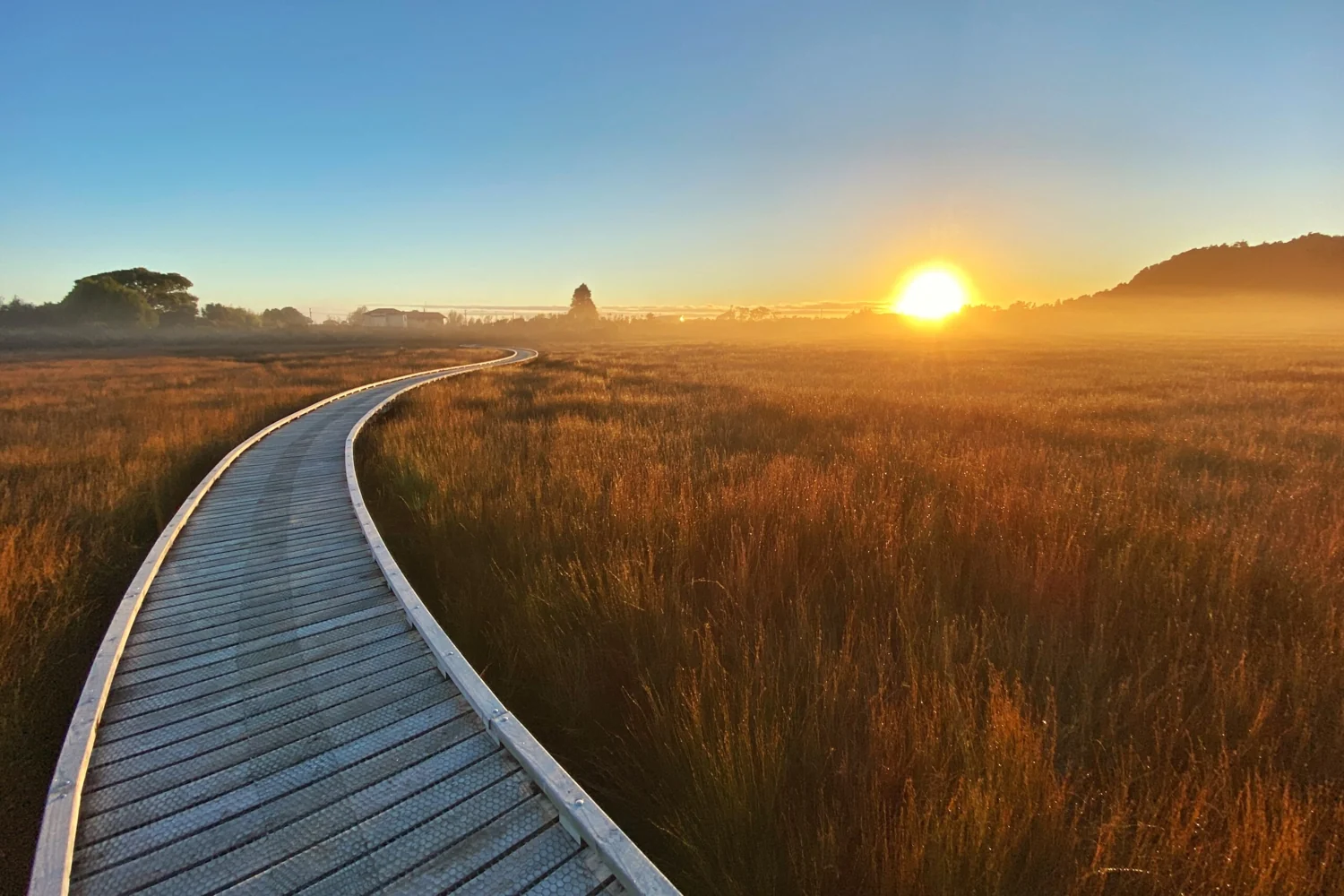
Reducing introduced predators helps protect the complex relationships between plants, birds and invertebrates.
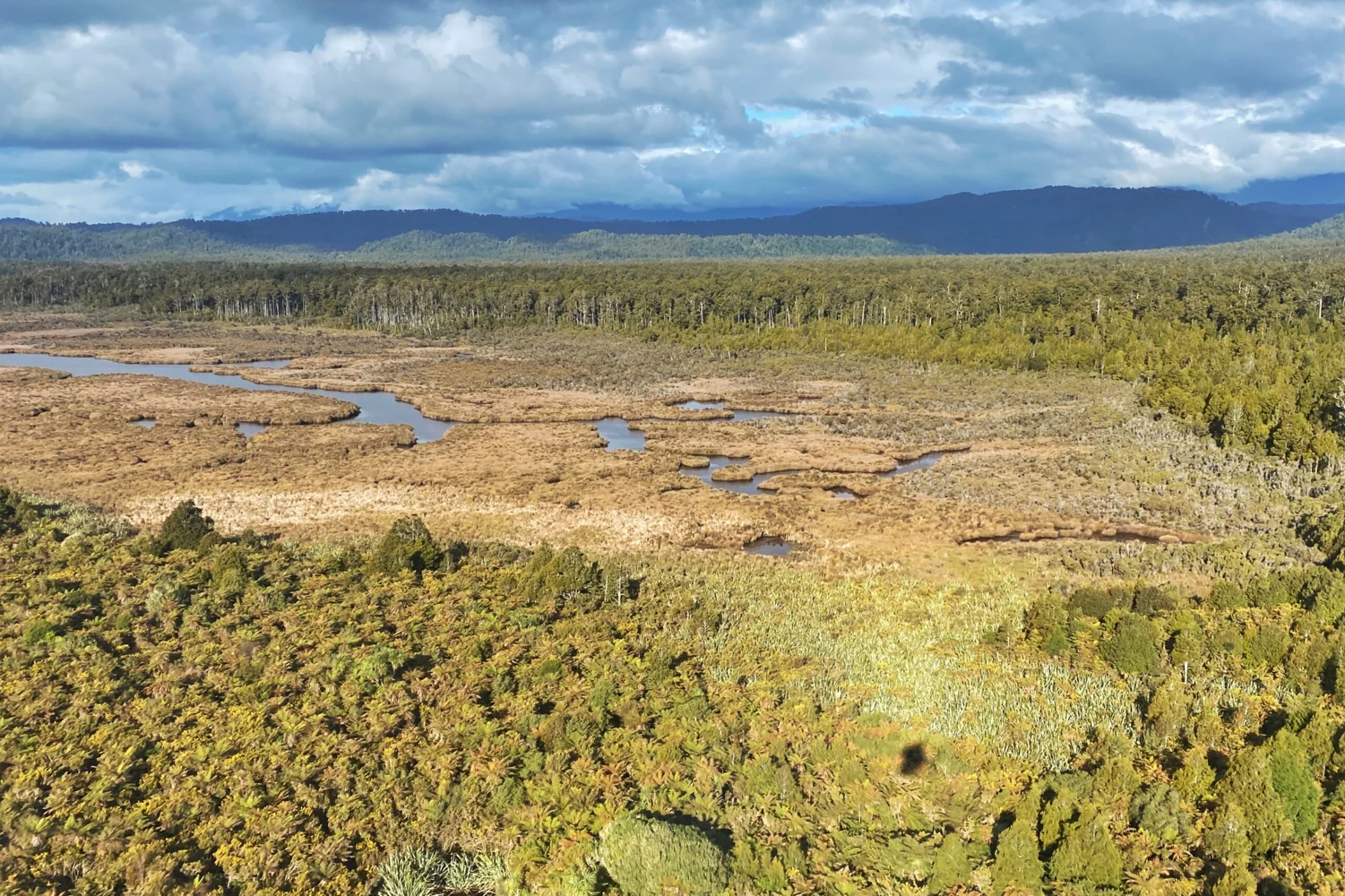
Lagoon and wetland ecosystems form an important link between inland forests and the coast.
Stoats and rats can prey on birds, eggs and other wildlife. Possums browse vegetation and compete with native species. Predator elimination works across an entire landscape rather than relying on small fenced reserves.
The project includes Ōkārito, Whataroa and Franz Josef, and connects alpine peaks, lowland forests, farmland and coastal lagoons. A healthier ecological network can benefit both biodiversity and the people living alongside it.
To work towards an unfenced predator-free mainland landscape, the project engaged Zero Invasive Predators (ZIP) to develop and apply monitoring, detection and removal techniques. Those methods combine aerial and ground operations with ongoing surveillance to detect reinvasion and protect conservation gains.
Community partnerships are central to the programme. Local knowledge, access, monitoring and long-term stewardship all matter in a conservation effort covering such varied terrain.
Initial removal is only part of the challenge. Long-term success also relies on early detection, a rapid response to new incursions and continuing care across forest margins, waterways and the settlements in the project area.
From alpine slopes below the Southern Alps to the Tasman Sea coastline, the project crosses a remarkable set of habitats. The communities of Franz Josef, Whataroa and Ōkārito are part of the wider story, alongside conservation organisations, landowners, volunteers and project supporters.
The aim is not only a healthier landscape today but a lasting model for protecting native wildlife across Aotearoa.
This is an editorial presentation of the original conservation theme, hosted on Vegas Hunter, not the official project website. For current project updates visit Predator Free South Westland.